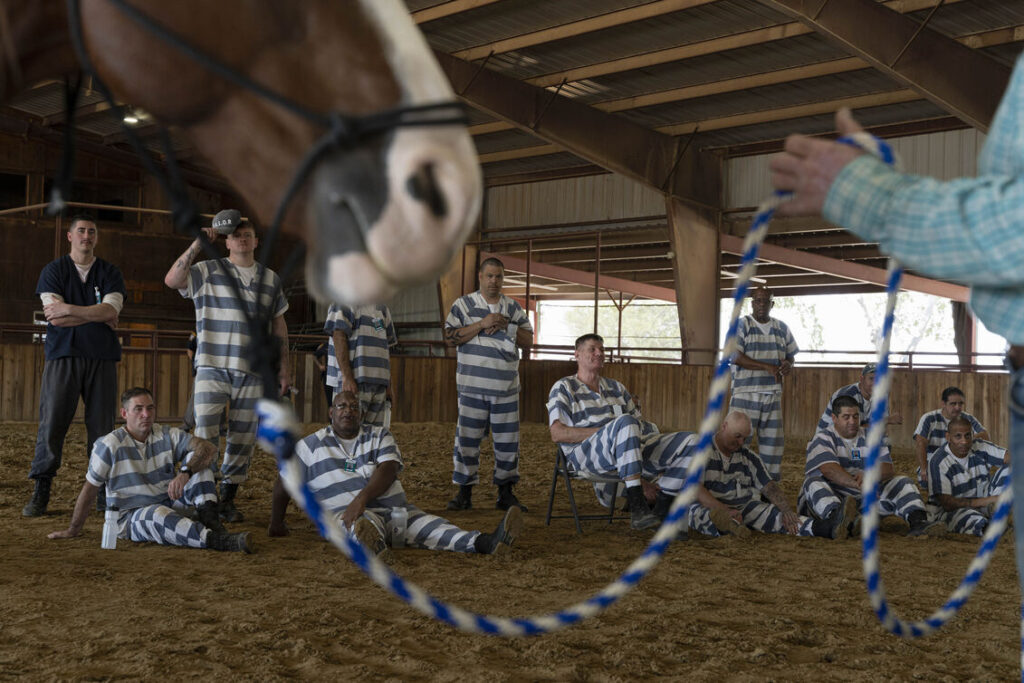
IMAGES FROM THE PROGRAM’S INAUGURAL CLASS
ACT OF SERVICE
Is a film offering a rare look into the unseen trauma of military service through the transformative power of the human-animal bond.
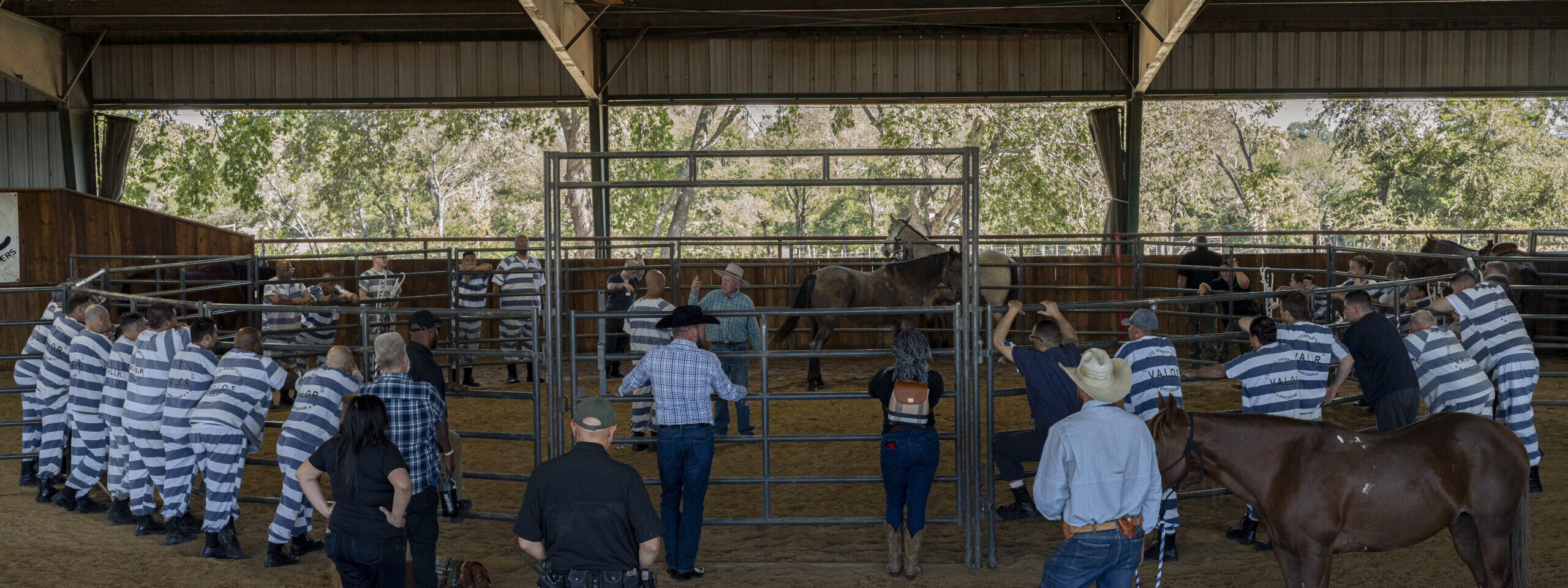
The feature film follows the first cohort in an experimental program pairing incarcerated veterans with horse therapy inside a Texas prison, offering an inspiring testament of resilience and redemption for American veterans.
THE PROGRAM
Working with horses is difficult, revealing work. Horses are hyper sensitive and can sense shifts in a person’s mood at a chemical level.
It is this emotional mirror that requires a person to self-regulate, to deal with whatever trauma, anger or impulses arise in order to stay calm and connected in the face of their triggers.
This is challenging work for anyone. For veterans, the stakes are much higher: the process can bring up traumatic memories from histories of substance abuse, homelessness, and combat deployments.
CHARACTERS
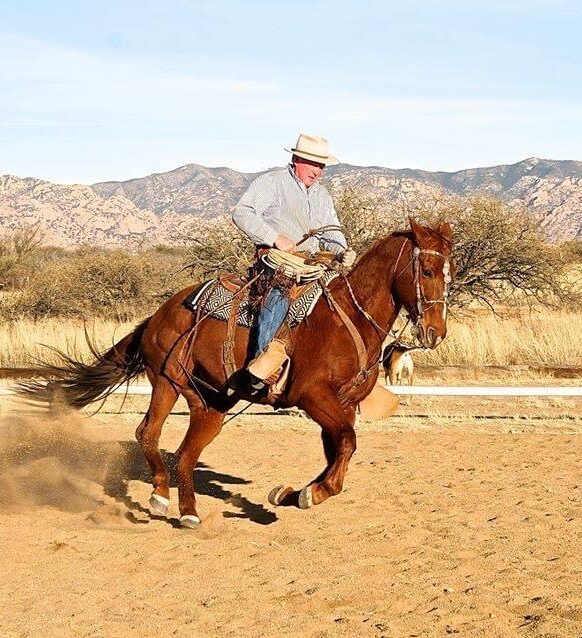
PAT PUCKETT
Horse trainer
Pat Puckett is known in cowboy circles as one of the greatest living horsemen. Born in Oregon and raised across the West, he’s been roping and riding since he was a child. Pat was working ranches when he was drafted into Vietnam. “I’m a hick. I‘m just a country kid. My first plane ride was to Vietnam.”
Pat worked as a gunner throughout his two-year deployment. At one point, he was mysteriously hospitalized for a three-week stretch. “Shell shock I think.” Pat largely blacked out the incident, but the impacts of PTSD remain.
After Pat’s deployment he was angry, drinking and constantly fighting. Substance abuse is a thread throughout Pat’s life. He found his way to sobriety seven years after returning stateside, and attributes much of his processing and healing to working with horses.
Pat, who is in his 70s, will be the voice of calm and wisdom throughout the film, not just offering advice on how to work with horses, but offering a generational perspective on how to cope with the scars of combat, including from his long history of addiction.
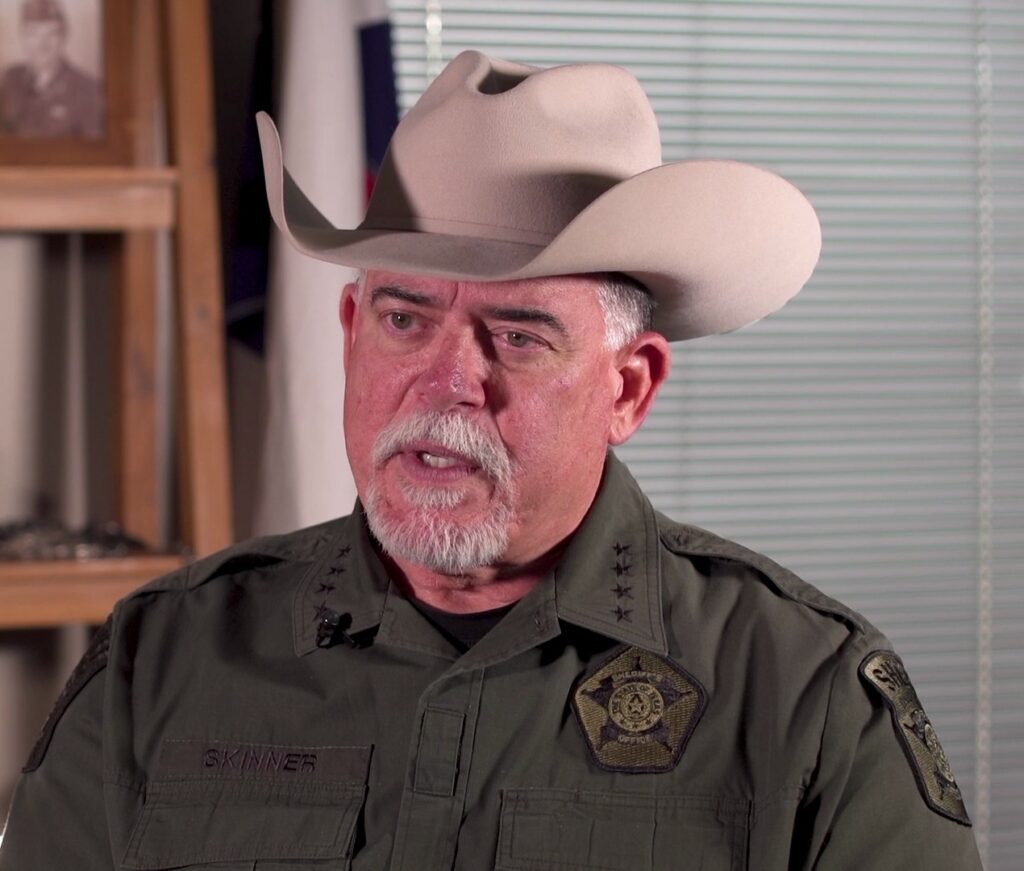
SHERIFF JIM SKINNER
Program Director
Jim Skinner is the Deputy Sheriff of Collin County, Texas and is the force behind the horse program. Jim served for eight years in the Air Force across Southeast Asia in various specialized canine task forces, and would later receive national recognition for championing a bill ensuring humane retirement of service dogs.
Jim’s service experience has made him particularly sensitive to the needs of veterans in his county.
“These veterans all have similar stories: they use drugs and alcohol to self-medicate. Many have TBI or PTSD and all these problems that arise from having served…they get back into society and are just not able to get it right.”
Jim, an avid horseman, attributes time with his horses to helping him cope with the memories of deployment and his long career in law enforcement. He is passionate about helping other veterans find that same relief.
THE VETERANS
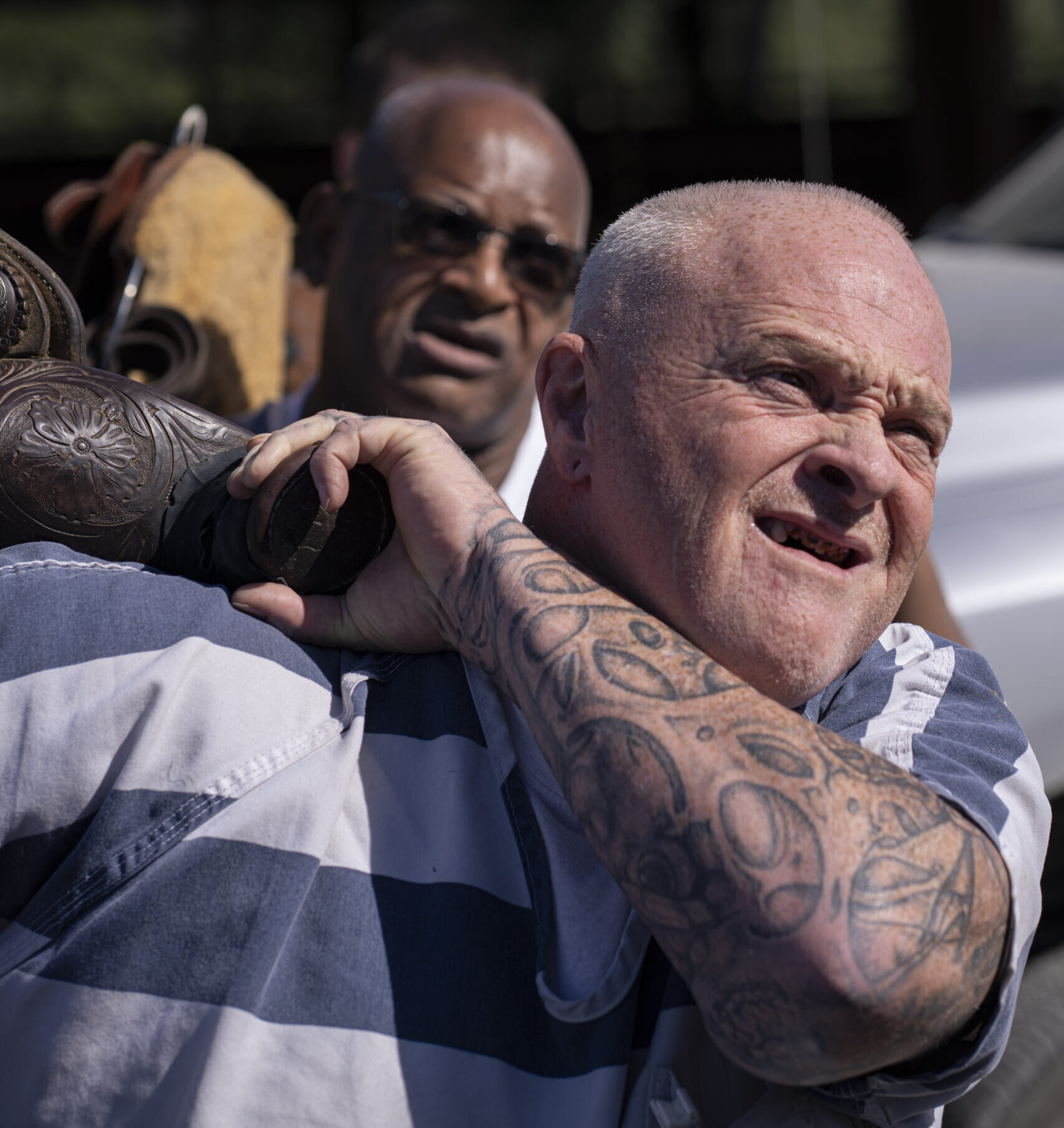
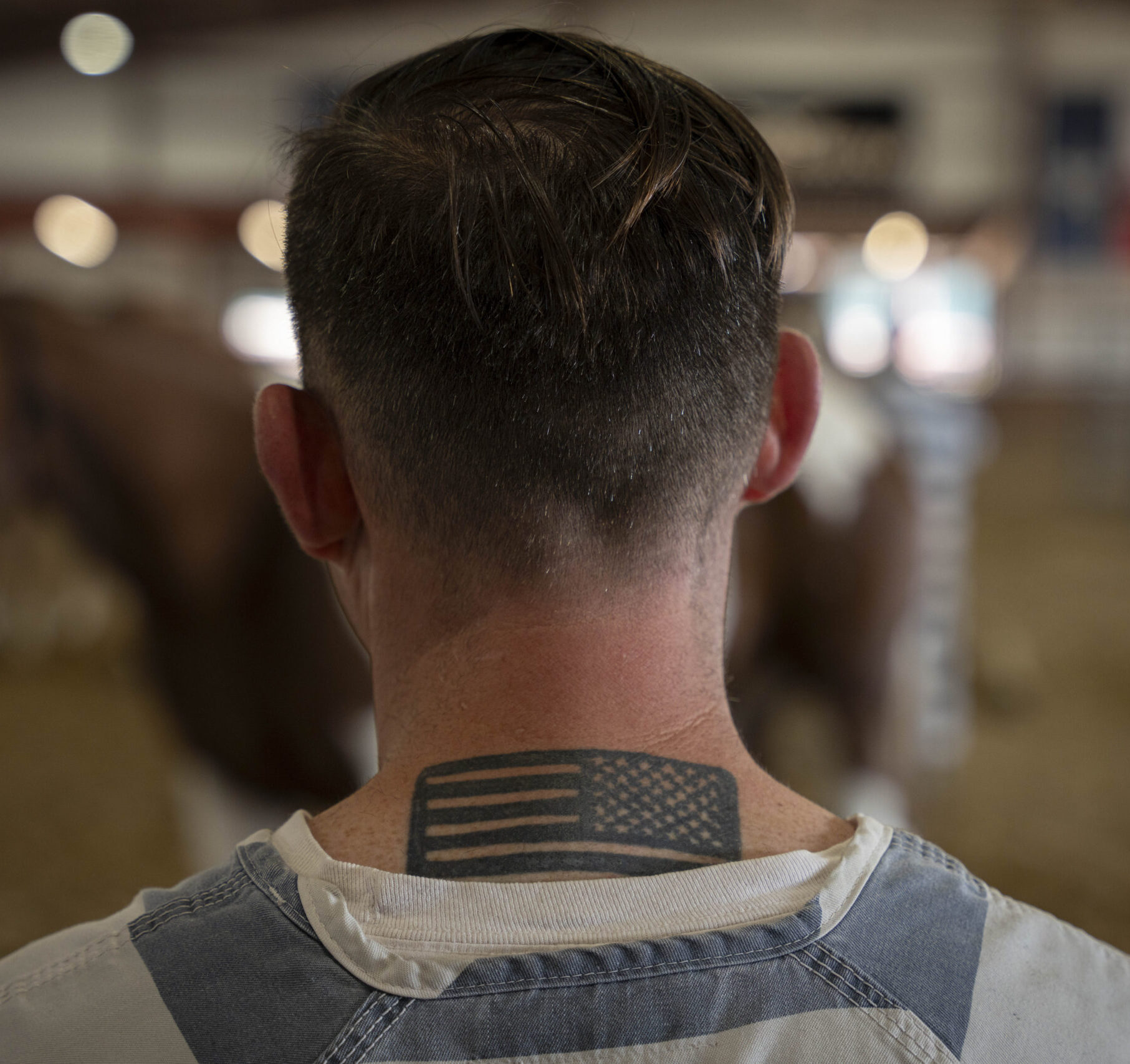
The production will begin filming with the first class entering the program, which consists of about two dozen veterans. We will then narrow down our main characters to three or four individuals.
We will choose individuals who have been incarcerated for a range of reasons and who have dynamic and evolving lives that would support a feature film narrative arc.
What is at stake for these men and women can only be understood and felt through the broader context of their lives outside of incarceration. Their success weighs not only on their individual futures, but on their communities, spouses, parents and children waiting for them to return.
We will explore these contexts to both demonstrate these stakes and portray veterans as full individuals beyond their immediate incarcerated status.
The epilogue of the film will show the veterans living freely after the program. Perhaps some will maintain a connection to horses or animals, while others may be involved with other veterans groups. They’ll reflect on how the experience with horses changed them and helped them reintegrate into society.
A FAILURE OF CARE
The program seeks to address disparities in incarceration rates between veteran and civilian populations. An estimated 107,400 veterans are incarcerated in state or federal facilities, One third of America’s war veterans have been arrested or booked into jail nearly double the rate among civilians.
While this is the first program targeting incarcerated veterans, horse therapy programs geared towards incarcerated civilians have been shown to reduce recidivism rates for participants by as much as 50%.